ArendaYachts
AI yacht charter assistant: natural-language search, transparent pricing, CRM-attributed leads
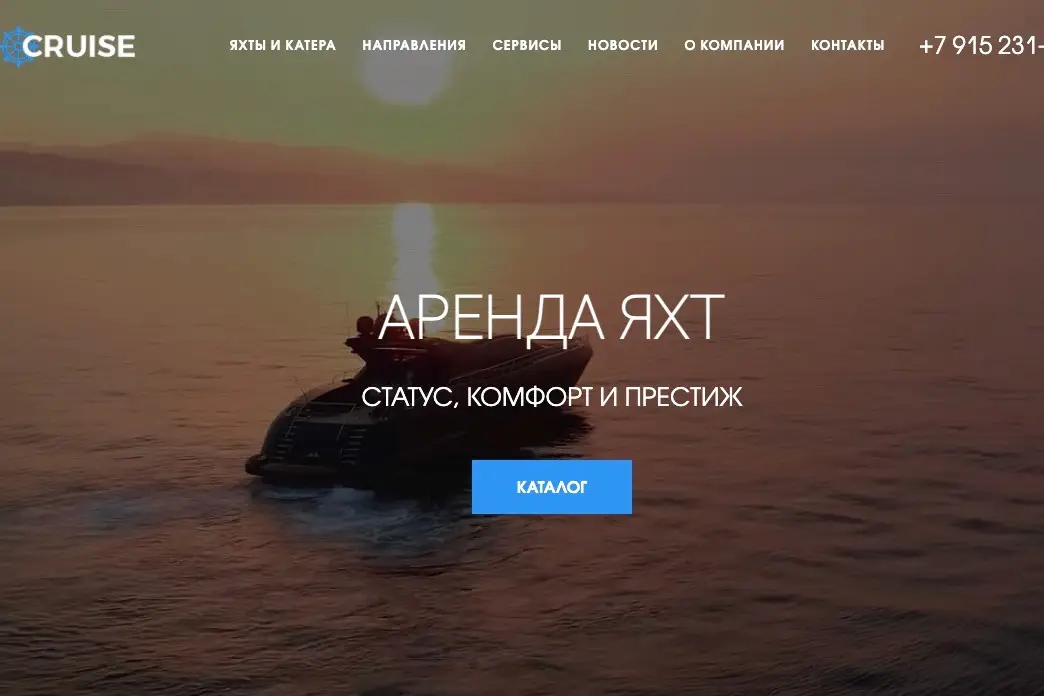
ArendaYachts (RestMar) is a premium yacht charter operator on the Russian market since 1993, working Moscow, the Volga, Saint Petersburg, Sochi, Crimea, Turkey, and the French Riviera. Ksentra has been their digital partner since site launch, and most recently deployed an AI chatbot for sales that replaces the multi-step browse-and-form journey with a single priced conversation, with leads landing fully-attributed in the CRM.
Categories: AI Chat Bots, Analytics, Development, SEO
Client:ArendaYachts (RestMar)
AI Chatbot
A conversational AI assistant embedded into the ArendaYachts website. Natural-language yacht search: a guest types "yacht for 12 people in Nice, Saturday evening, budget around $800" and gets matching vessels with calculated prices in seconds. Runs on the same multi-tenant platform that powers Royal Finance and Ksentra, with a yacht-rental sales-funnel plugin on top.
Development
The first version of arendayachts.ru shipped in two weeks on Bootstrap 4, Python/Django, and Wagtail CMS, in time for the charter season opening. The AI chatbot for sales was added years later as a single `<script>` tag of ~20 KB, with Shadow DOM isolation, mobile-first behavior, and full-screen open on phones.
SEO + Ads
SEO baked into the site from launch. First paying customers came through Yandex Direct and remarketing while organic positions ramped, with ongoing optimization across the charter season.
Analytics
End-to-end attribution via RoiStat: ad spend on one side, CRM-confirmed orders on the other, channel-level profitability visible. The AI chatbot for sales extends the same loop. Every conversation pushes a fully-attributed lead into the CRM with the full transcript.
The Challenge
ArendaYachts needed an AI chatbot for sales that could handle a multi-variable, high-touch funnel — not a generic form, not a prompt-engineered FAQ widget. The catalog runs to dozens of vessels across seven regions (Moscow, the Volga, Saint Petersburg, Sochi, Crimea, Turkey, and the French Riviera), and a single booking turns on at least five variables: location, guest count, duration, occasion, and budget. Pricing logic mixes day-rates and hour-rates with optional extras layered on top.
The result on the website was predictable: long catalog browsing, multi-step inquiry forms, and a steady leak of visitors who lost the thread before they ever reached a manager. On the managers' side, most of the time went on basic qualification ("how many guests, what date, what's the budget?") rather than closing deals.
Three options were on the table when the project started:
- A SaaS chatbot (Jivo, BotHelp, and similar). Cheap, fast to deploy, useless for a multi-variable sales funnel — no way to encode location-aware pricing or yacht-vs-occasion matching in a visual flow builder.
- A "$50 prompt bot", a system prompt over a generic LLM. Fine for FAQ, dangerous for pricing: an LLM that confidently quotes a fabricated rate to a guest who's planning a wedding is worse than no bot at all.
- A vertical AI chatbot for sales, built on top of an engine that already handled the conversation, the lead capture, and the CRM bridge — with a yacht-rental layer on top.
ArendaYachts picked the third. Since Ksentra had been the digital partner since site launch, the AI chatbot was the next layer in a relationship that already covered development, SEO, ads, and analytics — not a separate vendor bolted on.
What We Built
A conversational AI assistant embedded into arendayachts.ru with five operating modes that hand off to each other depending on what the guest is doing:
- Natural language product search. A guest types "yacht for 12 people in Nice, Saturday evening, budget around $800" in plain Russian. The assistant parses the request, filters the fleet, scores candidates against the constraints, and returns the best matches as price cards.
- Guided flow for newcomers. Visitors who don't yet know what they want get walked through a short decision tree (destination, guests, duration, occasion, budget), with quick-reply buttons so every step is a single tap.
- Transparent pricing on every recommendation. Each match shows the calculated total for the requested guest count and duration, including day-vs-hour pricing logic and optional extras. Guests see what they're booking before they ever speak to a manager.
- Live knowledge base. The assistant draws on a continuously refreshed index of yacht specs, destination pages, blog articles, and service descriptions, re-ingested automatically when the CMS changes. Questions about routes, on-board amenities, or seasonal availability get grounded, source-cited answers.
- Conversational AI for lead capture. When a guest is ready to book, the assistant collects contact details in a single tap, fires a Telegram notification to the sales team, and pushes a fully-attributed lead into the CRM with the full conversation transcript attached.
The widget itself is a single <script> tag of ~20 KB, with Shadow DOM isolation (so it cannot conflict with the host site's CSS), mobile-first behavior, and full-screen open on phones, where most yacht inquiries start.
You can try the AI chatbot for sales on the ArendaYachts live site. It answers in Russian.
Multi-Tenant Platform: Same Engine, Different Vertical
This is the part that matters for any business considering an AI chatbot service of their own.
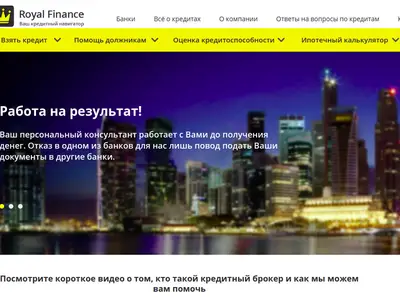
The conversational core, the RAG pipeline, the lead-capture flow, and the CRM bridge are the same components that run the Royal Finance loan-broker chatbot and the assistant on Ksentra's own site. The vertical differences live in a plugin layer: entity schema (yachts vs loan products), pricing logic (day-rate × hours vs APR × term × principal), and qualification questions (location and guest count vs employment and credit history).
For a buyer, this means the heavy engineering is already built and proven across live deployments. You get a battle-tested core with a focused custom layer for your vertical. Not a from-scratch project, not a SaaS that can't reach your actual sales logic. That is the value of a multi-tenant chatbot platform built this way.
A clarification on the term: each customer runs on either a shared server or their own deployment. "Multi-tenant" here means a shared engine across verticals, and your data and conversations can stay on your own infrastructure.
Three plugins, one platform. Add a fourth and most of the work happens in the plugin, not in the engine. The same pattern fits any catalog-driven sales funnel: real estate, equipment rental, tour operators, vehicle fleets, B2B service marketplaces — anywhere the buyer's question is a multi-variable match against a structured catalog.
Same engine, different vertical: see how Royal Finance solves a different problem on the same platform — loan brokerage with hybrid deterministic-AI matching across 30+ credit products.
Business Outcome
For the customer, the journey collapses. What used to be a browse-and-form-fill slog (open the catalog, scroll, filter, open three yacht pages, fill out a contact form, wait) becomes a single conversation that ends with two or three priced recommendations.
For ArendaYachts, every conversation is captured end-to-end. Managers get the contact + the guest's exact requirements + the full conversation: selected yacht, calculated budget, conversation history — in the CRM. Nothing to re-ask. The structured data flowing into the CRM also supports downstream decisions: which destinations generate more demand than fleet availability covers, which budget bands are converting, which occasions repeat.
The point here is the mechanism, not a measured lift: a shorter customer path, fully-attributed leads, and a manager who opens a conversation already in context instead of a blank form.
If a single priced conversation sounds like a fit for your sales process, talk to Sergey directly. Five minutes is usually enough to know whether the platform fits your vertical.
What's Next
The same platform supports natural next steps. Destination-specific deep-dives in the assistant's knowledge base are pure plugin and content work. Seasonal availability prediction and dynamic pricing experiments are heavier — they need new ML services (forecasting, elasticity modeling) wired in alongside the engine, exposed to the plugin through the same interface. Either way, the foundation is already in place. The AI chatbot service page covers what the engine ships with out of the box and what the plugin layer adds on top.